
The historical evolution of gambling From ancient rituals to modern casinos
The historical evolution of gambling From ancient rituals to modern casinos
The Origins of Gambling in Ancient Cultures
The history of gambling can be traced back to ancient civilizations, where it played a crucial role in societal rituals and community bonding. Archaeological findings suggest that the practice of betting on the outcomes of various events dates back to as early as 3000 BCE, with evidence of dice made from animal bones found in Mesopotamia. These early forms of gambling were often intertwined with religious rituals, with participants believing that fate was influenced by divine forces. In today’s context, many players seek out payid casinos to experience quick and effortless transactions.

In ancient China, gambling was also prevalent, with games like Keno believed to have been used to fund public projects such as the Great Wall. The Chinese utilized a variety of betting methods, including drawing lots and wagering on events like animal fights. Similarly, in ancient Rome, gambling flourished, where citizens bet on gladiatorial games and races, showing that the desire to wager has always been a part of human nature across different cultures.
These early forms of gambling laid the groundwork for future betting practices. The combination of chance, luck, and skill made gambling an appealing pastime, leading to the establishment of various games and betting systems. As societies evolved, so did the perception of gambling, transitioning from a ritualistic activity to a more organized form of entertainment.
The Development of Gambling Practices in the Middle Ages
During the Middle Ages, gambling underwent significant transformations, especially in Europe. The introduction of playing cards in the late 14th century marked a new era for gambling. Cards quickly gained popularity, leading to the development of various games that involved skill, strategy, and luck. In England, the establishment of the first official betting houses during the 16th century marked a pivotal moment for gambling as a regulated activity.
In addition to card games, dice games remained widely popular. The Church often condemned gambling, viewing it as a vice that could lead individuals astray. Despite these objections, the allure of gambling persisted, and underground betting became commonplace. The emergence of lotteries during this time also contributed to the gambling landscape, as governments began to organize games of chance to raise funds for public projects.
The Middle Ages set the stage for modern gambling practices, as organized betting operations began to flourish. This period witnessed the blending of chance-based games with elements of strategy, highlighting the evolving nature of gambling. By the end of the Middle Ages, gambling had solidified its place in societal culture, paving the way for the emergence of more sophisticated gaming establishments.
The Rise of Casinos and Legalization in the 17th and 18th Centuries
The 17th and 18th centuries heralded the rise of casinos, particularly in Italy, France, and Spain. The first official casino, the Casino di Venezia, opened its doors in 1638, setting a precedent for future gaming establishments. These casinos offered a range of games, from roulette to baccarat, attracting nobility and the wealthy elite. The luxurious ambiance and the thrill of gambling turned these venues into social hotspots.
As gambling gained popularity, governments began to recognize its potential for revenue generation, leading to the legalization of various gambling activities. The establishment of the first modern lottery in England in 1569 marked a turning point, as lotteries became a legitimate source of funding for government projects. In France, the royal endorsement of gaming houses further legitimized gambling, transforming it into a respected leisure activity among the upper classes.
This era also saw the emergence of gambling regulations aimed at curbing corruption and ensuring fair play. Despite the existing societal prejudices against gambling, the allure of casinos continued to grow, leading to an explosion of gaming venues across Europe and, eventually, the United States. The evolution of gambling during this period set the foundation for the modern gaming industry.
The 19th Century: The Birth of Modern Gambling Culture
The 19th century marked a significant turning point in the gambling landscape, particularly with the advent of the Industrial Revolution. Increased urbanization and the rise of the working class led to a demand for entertainment options, propelling the growth of gambling establishments. This period saw the establishment of iconic casinos, such as those in Monte Carlo, which became synonymous with luxury and glamour.
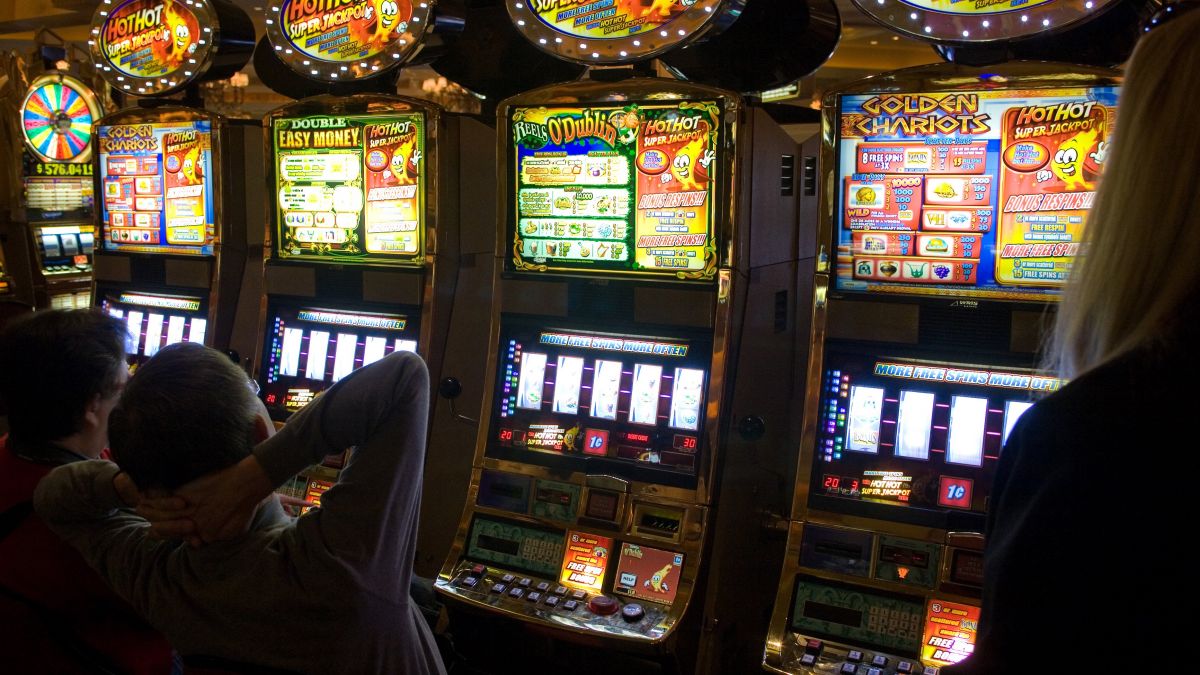
The introduction of new technologies, such as the mechanical slot machine in the late 1800s, revolutionized the gambling experience. These machines offered a new form of entertainment that appealed to a broader audience. The expansion of railroads also facilitated easier access to gambling venues, as people could now travel long distances to experience the thrill of casinos.
As gambling became more mainstream, social attitudes began to shift. While it still faced opposition from religious groups, the growing acceptance of gambling as a legitimate form of entertainment allowed for the establishment of regulations and oversight. The foundation for modern gambling culture was laid, characterized by a blend of leisure, social interaction, and the allure of risk-taking.
The Transition to Online Gambling in the 21st Century
The turn of the 21st century brought about a revolutionary change in gambling with the rise of the internet. Online casinos began to emerge, providing players with the convenience of gambling from their homes. This shift drastically altered the gambling landscape, allowing a wider audience to engage in various games without the need for physical travel. The accessibility and anonymity of online gambling attracted both seasoned gamblers and newcomers.
The introduction of mobile gaming apps has further transformed the industry, enabling players to gamble anytime and anywhere. This technological advancement has led to the proliferation of online betting platforms, offering a vast array of games, from traditional card games to innovative slot machines. The integration of live dealer games has added a new dimension, allowing players to interact with real dealers in real-time, enhancing the overall experience.
Regulatory challenges have accompanied the growth of online gambling, with various jurisdictions grappling with how to regulate this new frontier. Despite these challenges, the online gambling industry has experienced exponential growth, evolving into a multi-billion-dollar market. Today, gambling is more accessible than ever, reflecting a significant departure from its ancient roots.
Leave a Reply