
Exploring cultural perspectives on gambling Where luck meets tradition
Exploring cultural perspectives on gambling Where luck meets tradition
The Intersection of Luck and Skill in Gambling
Gambling has long been a prominent feature in various cultures, embodying the complex interplay between luck and skill. Many traditional games rely heavily on chance, with outcomes often dictated by random events or luck. For instance, in Western cultures, games like roulette highlight the role of luck, as players hope for favorable spins. Interestingly, platforms like https://halftimebettingclub.co.uk/ also emphasize the balance between skill and luck, showcasing how different gaming styles can influence player success. Conversely, skill-based games like poker demand strategic thinking and experience, showcasing a different dynamic where knowledge can significantly alter the odds.
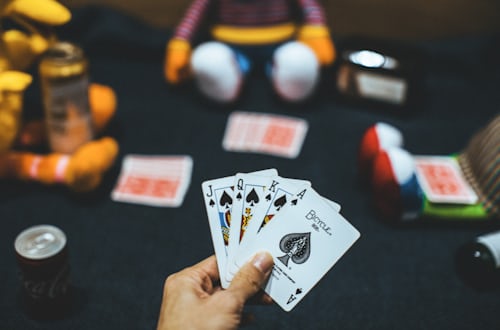
This duality raises intriguing questions about how different cultures perceive luck and skill in gambling. In some societies, luck is viewed as a force that can be influenced by rituals or superstitions. For example, Asian cultures often incorporate elements of feng shui or numerology into their gambling practices, believing these can enhance their chances of winning. Meanwhile, other cultures may emphasize skill as the key to success, encouraging education and experience over reliance on fortune alone.
Ultimately, this intersection of luck and skill creates a fascinating landscape in which players navigate their beliefs and strategies. Recognizing that different cultures approach gambling with unique perspectives allows for a richer understanding of how these games function in societal contexts. As we delve into cultural traditions, we find that the relationship between luck and skill is not merely a matter of gameplay, but also a reflection of deeper social values.
Cultural Rituals and Their Impact on Gambling
Cultural rituals play a significant role in the gambling landscape, often transforming a simple game of chance into a deeply meaningful experience. In many cultures, specific rituals are believed to bring good luck, such as carrying talismans or performing certain actions before placing a bet. For instance, in some Native American tribes, rituals and ceremonies accompany gambling activities, reinforcing the idea that luck can be cultivated through spiritual practices.
These cultural rituals not only enhance the gambling experience but also serve to strengthen community ties. When individuals engage in shared practices, it creates a sense of belonging and collective identity. For example, during traditional celebrations or festivals, communities may come together to participate in games of chance, reinforcing social bonds while also celebrating their cultural heritage. This illustrates how gambling is more than a personal endeavor; it often encapsulates a collective experience steeped in tradition.
Additionally, rituals can influence player behavior, impacting how individuals approach games of chance. Players may adopt superstitious practices, believing that certain actions will sway luck in their favor. This behavior underscores the intricate relationship between belief systems and gambling, where the ritualistic aspects serve to bolster confidence and enhance the overall experience. The cultural significance of these practices illustrates that luck is not just a random occurrence, but can be intertwined with tradition and social values.
The Evolution of Gambling Practices Across Cultures
The evolution of gambling practices reveals significant cultural shifts that reflect broader societal changes. As globalization continues to reshape cultural landscapes, traditional games are often adapted or transformed. For example, the rise of online gambling has introduced new dynamics, merging traditional elements with technological advancements. This evolution not only makes gambling more accessible but also changes the way people interact with games of chance.
In many cultures, traditional forms of gambling, such as card games or betting on local events, have adapted to contemporary platforms. The integration of online casinos and sports betting sites has redefined how players engage with games, introducing them to a broader audience. This transition highlights the importance of cultural flexibility, as various societies adapt their customs to fit modern contexts while retaining elements of tradition.
Furthermore, the cross-cultural exchange of gambling practices has led to a blending of traditions. As individuals from different backgrounds engage with one another in gaming environments, they share customs and beliefs, enriching the overall gambling experience. This cultural fusion opens the door to new interpretations of luck and skill, as players learn from one another and adapt their strategies. The evolution of gambling practices showcases a dynamic interplay between tradition and modernity, where cultural heritage remains relevant in an ever-changing world.
The Globalization of Gambling and Its Cultural Implications
As gambling becomes increasingly globalized, its cultural implications are profound. Different countries have their own regulations, customs, and attitudes towards gambling, which can vary widely. For instance, while some nations embrace gambling as a form of entertainment, others may view it with skepticism or outright prohibition. This disparity highlights how gambling is often a reflection of cultural values and social attitudes, influencing its acceptance and prevalence across regions.
Moreover, the global nature of online gambling allows for an unprecedented exchange of ideas and practices. Players from diverse backgrounds can interact, leading to a richer understanding of how luck and skill are perceived. This exchange fosters a sense of community among gamblers worldwide, as they share strategies, experiences, and rituals unique to their cultures. Consequently, globalization not only democratizes access to gambling but also enriches the cultural tapestry of gaming.
However, this globalization also presents challenges. The homogenization of gambling practices could potentially dilute unique cultural traditions, as traditional games may be overshadowed by more commercially successful formats. As cultures collide, there is a risk of losing valuable heritage elements that define local gambling experiences. Therefore, it is essential to maintain a balance between embracing new trends and preserving traditional practices, ensuring that the rich diversity of gambling cultures is celebrated and respected.

Discovering New Horizons at Lizaro Casino
Lizaro Casino exemplifies the modern evolution of gambling, offering an extensive range of games that cater to diverse preferences. With over 10,000 games, including slots, table games, and live dealer options, players can immerse themselves in an exciting online environment. The platform stands out for its commitment to providing a seamless experience that respects both tradition and contemporary gaming trends, appealing to players from various cultural backgrounds.
New players at Lizaro Casino can take advantage of enticing bonuses, including a generous welcome offer, which helps to bridge the gap between traditional gambling and modern incentives. This approach resonates with the cultural desire for both luck and reward, drawing in players eager to explore their gaming potential. The casino’s focus on mobile-friendly interfaces ensures accessibility, allowing individuals to engage with their favorite games at any time, further emphasizing the importance of adaptability in the gambling landscape.
As the online gambling industry continues to evolve, Lizaro Casino remains at the forefront, providing a platform that celebrates cultural diversity while offering an exhilarating gaming experience. By blending luck and skill, traditional values, and modern technology, Lizaro Casino invites players to explore the fascinating world of gambling, where every spin, hand, and bet tells a unique story steeped in tradition and chance.
Leave a Reply